
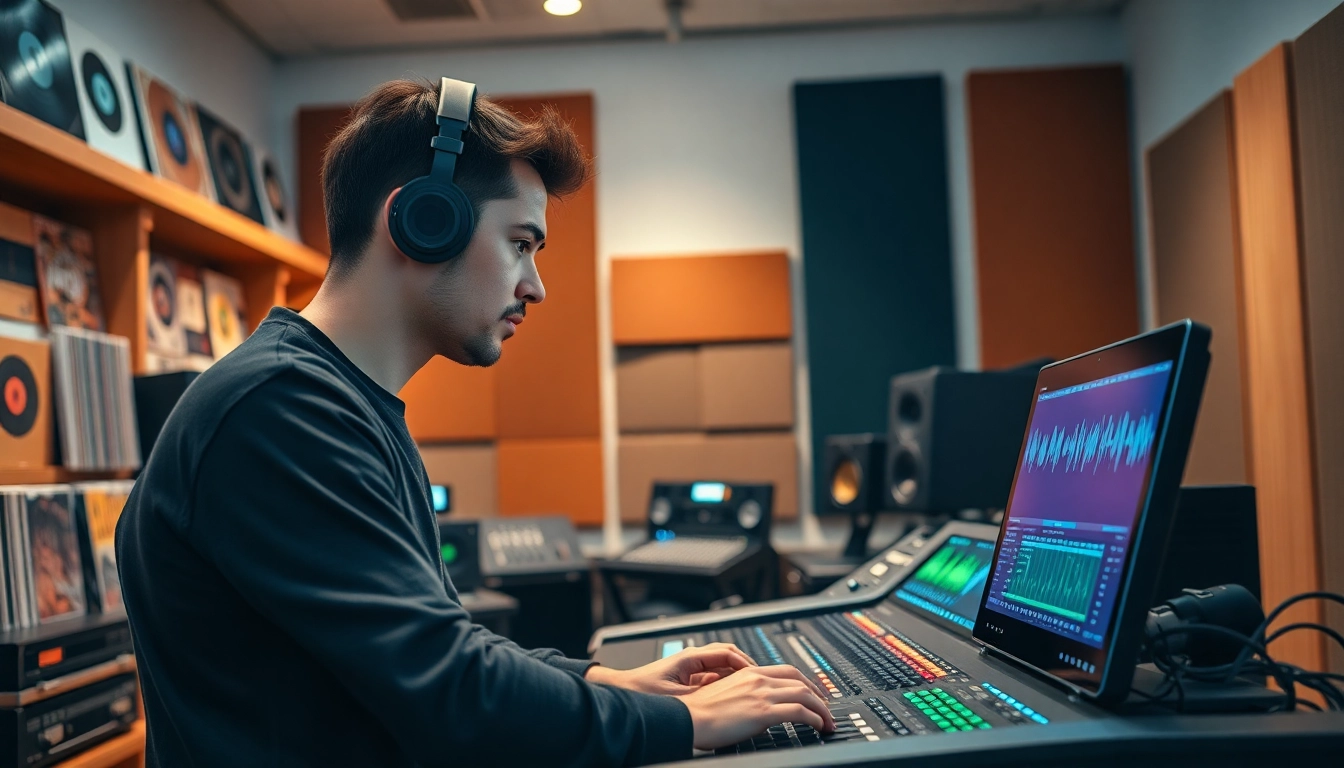
Understanding Online Mastering
What is Online Mastering?
Online mastering is the process of preparing and transferring recorded audio from a source to a data storage device. It serves as the final step in music production, ensuring that your tracks sound polished and ready for distribution. Unlike traditional mastering, which often involves physical studio sessions with experienced engineers, online mastering allows musicians, producers, and sound engineers to utilize digital platforms to get high-quality results without being physically present in a studio setting. This increased accessibility has transformed the mastering landscape, making it easier for independent artists to achieve professional sound quality.
How Does Online Mastering Work?
The process of online mastering involves several key steps. First, you upload your mixed audio files to an online mastering service platform. Then, engineers utilize various software tools and hardware equipment to enhance your tracks by adjusting levels, equalization, compression, and adding effects as needed. These services often use advanced algorithms and AI to deliver competitive results that can meet industry standards. The final product is a mastered mix that is optimized for various playback formats and platforms, such as streaming services, radio, and CDs.
Benefits of Online Mastering vs. Traditional Methods
Online mastering offers several advantages over traditional methods. Generally, it is more cost-effective, as it eliminates the need for booking expensive studio time and allows multiple submissions without additional charges. Additionally, artists can access a wider range of services, choose from various pricing plans, and receive quick turnarounds, often within hours. Quality is also enhanced through precision tools that many online services employ, making the final product sound highly professional. This flexibility often leads to a more efficient workflow for busy musicians, allowing them to focus on creativity while still achieving high-quality results. For more insights about online mastering options, explore online mastering.
Choosing an Online Mastering Service
Factors to Consider When Selecting a Service
When choosing an online mastering service, several factors should guide your decision-making process. Start by evaluating the technology and tools they use. Advanced software and engineering principles can significantly impact the sound quality of your masters. Look for reviews or testimonials to gauge the reputation of a service, focusing on its effectiveness in delivering what customers expect. The turnaround time is another critical element; services that can provide quick but high-quality results are often desirable for artists looking to publish their music promptly.
Comparing Features and Packages
Different online mastering services offer varying features and packages. It’s essential to compare the specifics, such as the number of revisions allowed, the service’s ability to handle different audio formats, and any additional features like stem mastering or mastering for specific platforms. These features can make a significant difference depending on your goals. Also, consider if they provide a free trial or sample so you can assess their quality before committing.
Evaluating Quality and Customer Feedback
Quality should never be compromised in music mastering. Spend time researching customer feedback and reviewing case studies for mastering services that have successfully enhanced tracks similar to yours. Platforms like social media and forums may hold valuable insights that help you make an informed decision. Some services even showcase their past work, providing potential clients a clear understanding of their capabilities.
Best Practices for Preparing Your Tracks
Essential Audio Formats for Online Mastering
Preparing your audio files correctly is fundamental to achieving high-quality mastering results. The most commonly accepted formats for online mastering are WAV or AIFF files. These formats offer lossless audio quality, which is crucial when mastering. Ensure that your files are at least 24-bit and 44.1 kHz or higher, as this preserves audio fidelity throughout the mastering process.
Tips for Mixing Before Mastering
Your mix is the foundation for a successful master. Before sending your tracks for mastering, ensure that each element is balanced well—the vocals shouldn’t overpower the instruments, and there should be enough headroom in your mix. A common practice is to maintain a peak level of around -6 dB to allow for mastering adjustments. Additionally, refrain from adding any final limiting or heavy compression, as these can interfere with the mastering process.
Common Mistakes to Avoid
While preparing your tracks for mastering, several common mistakes can hinder quality. One of the biggest errors is neglecting to reference other tracks in your genre; this practice can help ensure your mix aligns with industry standards. Avoid sending overly processed tracks; less is often more during the mixing stage. Lastly, don’t skip a thorough listening session to detect any audio issues before sending your tracks off for mastering.
The Online Mastering Process Explained
Step-by-Step Guide to Submitting Tracks
Submitting your tracks for online mastering is typically a straightforward process:
- Choose your preferred online mastering service.
- Create an account, if necessary, and follow the submission guidelines.
- Upload your mixed audio files in the specified format.
- Select any additional services, such as specific mastering styles or adjustments.
- Complete the payment process and await confirmation.
What to Expect During the Mastering Process
Once your tracks are submitted, expect thorough evaluation. Experienced engineers will analyze your audio and apply adjustments to enhance tonal balance and loudness. Be ready to receive a communication detailing any suggested changes or areas of concern. Some services offer a preview of your mastered track before finalization, allowing you to request adjustments if necessary.
Understanding Turnaround Times and Revisions
Turnaround times for online mastering can vary by service. Most services can provide completed masters within a few hours to days, depending on their workload and your selected package. Understanding their revision policy is crucial; some services may include one or more revisions as part of their package, while others might charge extra. Clear communication during this phase is essential to ensure the final master aligns with your vision.
Maximizing Results from Online Mastering
Listening Back: How to Evaluate the Mastering
Once you receive your mastered track, take time to listen critically. Assess various playback systems, like headphones, studio monitors, and consumer earbuds, to evaluate how your music translates across devices. Pay attention to the dynamics, clarity, and overall feel, ensuring your track meets your expectations and the standards of your genre.
Utilizing Feedback for Future Projects
Gather feedback on your masters from trusted peers or mentors. Constructive criticism can highlight areas for improvement in future mixes or masters. Use this feedback to refine your production process and enhance the overall quality of future projects. Continuing to evolve your technique is what ultimately leads to progress.
Exploring Various Distribution Channels for Your Tracks
Once your track is mastered, research distribution channels where you can share your music. Streaming platforms, digital download sites, and social media can all serve as effective outlets for getting your music into listeners’ hands. Tailoring your distribution strategies will help maximize your reach and connect with your target audience.
Frequently Asked Questions (FAQs)
1. What is the average cost of online mastering?
The cost of online mastering can range significantly, from $20 to several hundred dollars, depending on the service and features you choose.
2. How long does online mastering take?
Turnaround times vary; many services offer masters within a few hours to a few days, depending on their workload and your selected package.
3. Can I get a sample before committing?
Many online mastering services provide free samples or trial versions for you to evaluate their work before committing.
4. What should I avoid in my mix before mastering?
Avoid heavy processing and limiting; ensure your mix has adequate headroom, typically around -6 dB, for mastering adjustments.
5. Is online mastering suitable for all music genres?
Yes, online mastering can cater to various music genres, but it’s essential to choose a service experienced in your specific genre.

